NBTC’s Seed Orchard

We are pleased to announce that a group of NBTC volunteers planted a seed orchard! You may wonder, how is it different from a cherry or peach orchard? Instead of harvesting fruit, seeds are harvested. These seeds are used for…

We are pleased to announce that a group of NBTC volunteers planted a seed orchard! You may wonder, how is it different from a cherry or peach orchard? Instead of harvesting fruit, seeds are harvested. These seeds are used for…
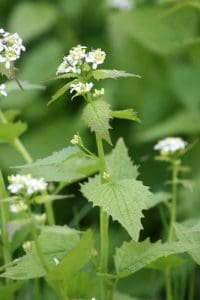
Garlic Mustard (Alliaria petiolata) is indigenous to Western Europe and can be found from England to Italy. Its introduction to North America dates from the 1800s, when it was brought by settlers to use for food and medicinal purposes. Since…
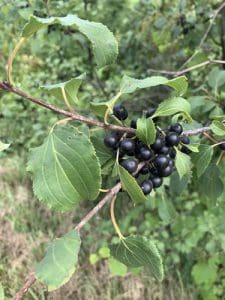
Common Buckthorn (Rhamnus cathartica) is Old World in origin. It is thought to have been introduced from Europe in the late 1800’s, after settler deforestation, for use in windbreaks, erosion control, and stream bank stabilization. Planted in many locations across…

Niagara’s Most Unwanted #4: Japanese Stiltgrass Japanese Stiltgrass (Microstegium vimineum) is regulated as a pest in Canada and a newcomer to our country as an invasive species. Native to southeastern Asia, it arrived in North America in the 1900s when used…
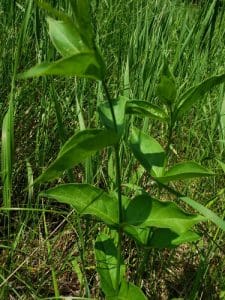
Update from the NBTC Biodiversity Committee: DID YOU KNOW? Dog-strangling vine is an invasive perennial herbaceous plant in the milkweed family (Asclepiadaceae). It is spreading rapidly and causing damage to ecosystems in southern Ontario. Dog-strangling vine invasions can harm biodiversity in…
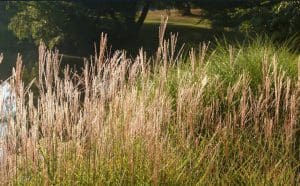
The day is fine, or not, and as we trudge toward our destination the woods and fields provide a welcome backdrop. Yet how aware are we of what plant matter is in the natural areas that we pass. Many of…

Non-native Honeysuckles Non-native honeysuckles were imported as early as the 18th century to serve as garden ornamentals, stabilize soils, and provide wildlife habitat. Unfortunately, these species have naturalized and spread well beyond their original plantings to fields, pastures, and forests,…